

Hand Transplantation: An A–Z Guide to Procedure, Recovery, Risks, and Life After Surgery
The human hand is easy to take for granted until it’s gone.
It’s not just a tool for work or survival. It’s how we greet, comfort, create, and express ourselves. Losing a hand can feel like losing a language you once spoke fluently. For years, medicine could only offer prosthetics, functional, yes, but never truly alive.
That changed with hand transplantation.
Once considered experimental, hand transplantation in Mumbai and across India has evolved into a carefully regulated, highly specialised procedure that offers select patients the possibility of restored function, sensation, and identity. This guide takes you through the full picture, what hand transplantation really involves, who it’s for, how recovery works, the risks, and what life looks like on the other side of surgery.
What Is Hand Transplantation?
Hand transplantation is a type of vascularised composite allotransplantation, meaning multiple types of tissues, skin, muscle, bone, tendons, blood vessels, and nerves, are transplanted together as a single functional unit.
Unlike prosthetics, a transplanted hand:
- Is living tissue
- Has the potential for sensory and motor recovery
- Can grow, heal, and adapt with the body
This makes it one of the most complex procedures in modern medicine, requiring expertise in microsurgery, nerve repair, and long-term rehabilitation.
How Does Hand Transplant Surgery Work?
People often ask, “How does hand transplant surgery work?” because the idea can feel overwhelming. The process is meticulous and staged.
Hand Transplant Procedure: Step by Step
1. Donor Matching
Compatibility goes beyond blood group. Tissue type, limb size, and quality of donor tissue are critical factors in the donor hand transplantation process.
2. Pre-Surgical Planning
A multidisciplinary hand transplant team evaluates the recipient medically, psychologically, and socially. This step determines long-term success more than the surgery itself.
3. The Surgery
Performed over several hours:
- Bones are fixed first to establish structure
- Blood vessels are connected under a microscope
- Nerves are aligned to allow future regeneration
- Tendons and muscles are repaired
This is where microsurgery and hand transplant expertise are essential; millimetres matter.
4. Immediate Post-Operative Care
Blood flow is monitored continuously. Early movement and therapy begin under supervision to encourage healing.
Who Is Eligible for Hand Transplantation?
A common misconception is that anyone who has lost a hand can opt for a transplant. In reality, eligibility is carefully defined.
You may be considered if:
- You have lost one or both hands
- You are physically fit for major surgery
- You can commit to lifelong follow-up after transplant
- You understand the need for immunosuppression after a hand transplant
- You are emotionally prepared for a long rehabilitation journey
As Dr Nilesh Satbhai, an experienced hand transplant surgeon in Mumbai, explains:
“This surgery is not just about replacing a hand. It’s about choosing a lifelong partnership with your own recovery.”
Is Hand Transplantation Safe?
The short answer: Yes, but with conditions.
Hand transplantation is safe when performed at specialised centres with:
- Experienced surgical teams
- Strict patient selection
- Rigid and strictly monitored immunosuppression
- Robust rehabilitation and follow-up protocols
However, it is not without challenges.
Risks of Hand Transplantation Surgery
Transparency is essential when discussing outcomes.
Possible risks include:
- Acute or chronic rejection
- Infections due to immunosuppressive medication
- Delayed nerve regeneration
- Need for secondary corrective procedures
- Psychological stress during adaptation
This is why ethical patient-first surgical care is central to decision-making. The goal isn’t just survival of the transplanted hand, it’s meaningful function and quality of life.
Hand Transplant Recovery Time: What Does Healing Look Like?
Recovery doesn’t end when the stitches come out.
Typical Recovery Phases
- 0–3 months: Wound healing, monitoring for rejection, gentle movements
- 3–6 months: Improving strength and coordination
- 6–12 months: Functional recovery after hand surgery becomes more noticeable
- 1–2 years: Continued improvement in sensation and fine motor skills
Occupational therapy after a hand transplant and hand transplant rehabilitation therapy play a decisive role. Without consistent therapy, even a technically perfect surgery can fall short.
Life After Hand Transplantation: Beyond the Operating Room
Perhaps the most searched question is: “Can you live normally after a hand transplant?”
The honest answer is nuanced.
Life After Losing a Hand vs Life After Transplant
Patients often describe:
- Regaining independence in daily activities
- Improved body image and self-confidence
- Emotional healing alongside physical recovery
At the same time, life involves:
- Daily medications
- Regular medical follow-ups
- Ongoing therapy
Life after hand transplantation isn’t about returning to the past; it’s about building a new normal.
Hand Transplant vs Prosthetic: Understanding the Difference
| Hand Transplant | Prosthetic Hand |
|---|---|
| Living tissue | Mechanical device |
| Potential sensation | No biological sensation |
| Requires immunosuppression | No immunosuppression |
| Long rehabilitation | Shorter adaptation |
| Natural integration | Functional assistance |
There is no universally “better” option. The choice depends on medical suitability, lifestyle, expectations, and personal priorities.
Hand Transplant Success Rate in India
India has steadily emerged as a destination for advanced hand transplant surgery, supported by:
- Skilled reconstructive microsurgeons
- Cost-effective healthcare systems
- Comprehensive rehabilitation programs
Centres offering vascularised composite allotransplantation in Mumbai follow international protocols, contributing to improving outcomes and global recognition.
Why Experience Matters in Hand Transplantation
This procedure sits at the intersection of:
- Plastic and reconstructive surgery
- Microsurgery
- Rehabilitation medicine
- Psychological care
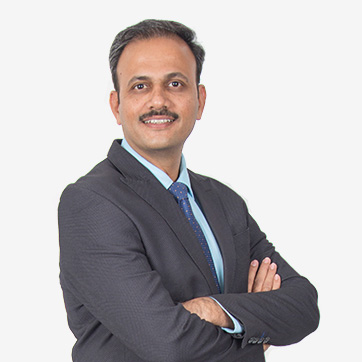
Surgeons involved must be international fellowship-trained plastic surgeons with experience in high-risk reconstruction. As Dr Nilesh Satbhai, Director of Plastic, Hand & Reconstructive Microsurgery at Nanavati Max Super Speciality Hospital, Mumbai, notes:
“A hand transplant doesn’t succeed in the operating room alone. It succeeds when surgery, rehabilitation, and patient commitment move in the same direction.”
Such a perspective reflects why experience, not just technology, defines outcomes.
Where to Get Hand Transplant Surgery in Mumbai?
If you’re searching for:
- Where to get hand transplant surgery in Mumbai
- Best hospital for hand transplant in Mumbai
- Advanced hand transplant program Mumbai
Look for centres that offer:
- Multidisciplinary evaluation
- Long-term rehabilitation planning
- Transparent counselling about risks and outcomes
Institutions like Nanavati Max Hospital’s hand transplantation programs exemplify this integrated approach.
Hand Transplant Surgery Cost in Mumbai
Costs vary based on:
- Surgical complexity
- Hospital stay duration
- Immunosuppressive therapy
- Rehabilitation requirements
A detailed hand transplant consultation in Mumbai helps patients and families understand the medical and practical aspects clearly before making decisions.
Thinking About Hand Transplantation?
If you or a loved one is exploring hand transplantation, the first step is understanding whether it's the right option. A detailed consultation can help clarify eligibility, risks, recovery, and long-term commitment, so decisions are made with confidence, not urgency.
What Should You Take Away From This?
Hand transplantation is not a miracle cure, but it is a powerful medical option when chosen thoughtfully.
It offers:
- Hope after hand amputation
- A path toward regaining function after hand loss
- The possibility of healing beyond surgery
Most importantly, it reminds us that modern medicine isn’t just about saving lives, it’s about restoring meaning to them.
For anyone exploring hand transplantation in Mumbai, the first step isn’t surgery. It’s understanding.